Donnerstag, 23. Januar 2014

Analysis of second Double Page Spreads


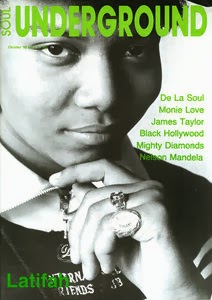
-the guy of the picture is created
-they guy make cool symbols with his hand which suits the house styl of the hip hop 
-below are the symbols from the sponsored 
-right below is the date of appareance
-right high is a dictum
-writing is small but good to read

Dienstag, 21. Januar 2014

Analysis of first Double Page Spreads


DPS 1

-Large title which explains the topic of the double page spread. Furthermore lets the reader know what he/she will be reading.

- On the rights side is a picture from kanye west where stay:" talks to wired"

- On the left side stay a long text and a sentence in french

- The background is white and looked a little bit boring


Montag, 20. Januar 2014

Analysis of 2 Content Pages Magazines


1 Content Page

- Clearly marked out and there stay all essential things inside what a content page need

- headline is huge, conspicuos and looked really good

- Picture in the front about people whose stay there the page number about these person to know more about him/here

- Below the Content page stay a letter from the producer this magazin to the reader


2 Content Page

- This content page has 2 pages and a lot of informations about the content from this magazin

- advertising below, on the left page

- Picture about people overall where stay the page number about these person to know more about him/here

- on the left page on offer some features that stay in the magazin.


Dienstag, 7. Januar 2014

History of Music Magazines

Music Magazines support the artist musicer by the writting about this people. In addition they give some information to the fans from the artist. I have maked a list about some british music magazines:


                                               Kerrang

                                                                           
                                                               Frequency  : every week

                                                                  area: rock and metal

                                                                 created in 6. june 1981


                                                                Hip Hop Connection
Frequency: every week
created: 1988
editor: Andy Cowan 


Metal Forces


Frequency: every week
created in 1983
Editor: Bernard Doe


Soul Underground

Frequency: every month
area: dance music
Editor: David Lubich  
created in 1987


Classical Music

Frequency: Fortnighty
Editor: Kimon Daltas
created in 25. September 1976


Clash

Editor: Simon Harper
 
Frequency: every month
created in 2004


Songlines

Editor: Simon Broughton
 
Frequencz: 8 times a year
 
created in 1999


Computer Music
 
Editor: Lee Du-Caine
 
Frequency: every month
 
created in 1998


Analysis of two music magazines

Rolling Stone:
Of this front magazine we see a big gangster black guy who is overall full with tattoos and without T-Shirt. In the central from the cover we see his name: Rick Ross. Gangster of Love. The background from the front cover ist white and the writings are white, Yellow, Red, Grey and black. The writings are looking groovy and is convenient too the styl from the magazin. The guy of the cover looked very crazy and is convenient too the styl from the magazin. Tattoos, silver watches, silver chains, black glasses.
Britain's Best Classical Music Magazine: Of front cover it is obviously that there show just classical music. In the front we see a girl who looked in direct in the camera. She hold a violin in her hand. She wear white clothes and wear nice teeths. The baickground is white and the writting is just in red oder white. Of the front cover we see no any advertising. This is a good point. But there stay no any content of the front cover. There stay just wait in the magazin is a free CD and the name from the girl who there can see of the front cover

Montag, 9. Dezember 2013

Audience theory

Introduction

As seen in a previous factsheet, audience are crucial to the producers of media texts. Without an audience a TV programme, newspaper, magazine or film cannot be successful. Media producers think carefully about identifying their target audience and providing a text which will interest and engage them. However, the mass media is such a major part of people's lives that one of the major debates in media studies is the effect that the media may have on its audience. This issue focuses on the negative effects that may be created by media texts; for example, considering of there might be a link between violent behaviour and representations of violent behaviour and representations of violence in the media.

The aims of this Factsheet are to:
-Identify some theories of the way the media may affect an audience
-Support a critical engagement with the theories


1. Whilst some people do act violently, many do not and in today's culture it is almost impossible to avoid violent representations. This seems to support the view that the media does not directly cause people to act a certain way.


Manhunt

2. Advertisers spend millions of pounds promoting their products. The Marks and Spencer's food adverts have increased the grocery sales for the high street shop and encouraged customers to indulge themselves with the luxury items they  sell.


Not just food, but M&S food'

3. Viewing a documentary can provide access to information that may change the way you feel about an issue. It may even make you want to act differently, eat more healthily, join a political group or simply tell you friends

Telling Stories - The Media's Use of Narrative


The aims of thias Factsheet are to
-introduce and define the way conventional narrative structure is used in media texts
-discuss different uses of the conventional narrative structure
-provide example of media texts to demonstrate how narrative is used and its relationship with other media concepts

All media texts tell stories. the structure of these is called the narrative. The events in a story are called the plot but when narrative is discussed, it's the structure of the story rather than the events themselves that are focussed on. Certain genres of media text often use specific structures to tell their stories.

Conventional Narrative Structure
Conventional narratives follow the same basic pattern in terms of the way they construct a story.

The terms used by Todorov to define the three main parts of a narrative structure (the beginning, middle and end) are:
-Equilibrium - the balanced normawlity of the world of the story
-Disequilibrium - unbalanced world between the problem and the climax (see below)
-New Equilibrium - a return to normality at the end - returning the world to balanced state

The equilibrium and the new equilibrium are not exacly the same. The problems of the disequilibrium will have caused the world of the text to change in some way or the characters have learned lessons as the narrative developed.

This basic three point narrative can be looked at in more detail. This is sometimes called the narrative arc.